Virantolume
Route Planning
Ocean cruise itineraries are designed around port sequences that balance travel time at sea with time spent ashore. The logic behind a well-constructed route matters more than it might appear — consecutive port days can be exhausting, while too many sea days can feel directionless. Understanding the rhythm of a particular itinerary before you book is one of the more useful things a proper planning conversation achieves.
Ship Size Matters
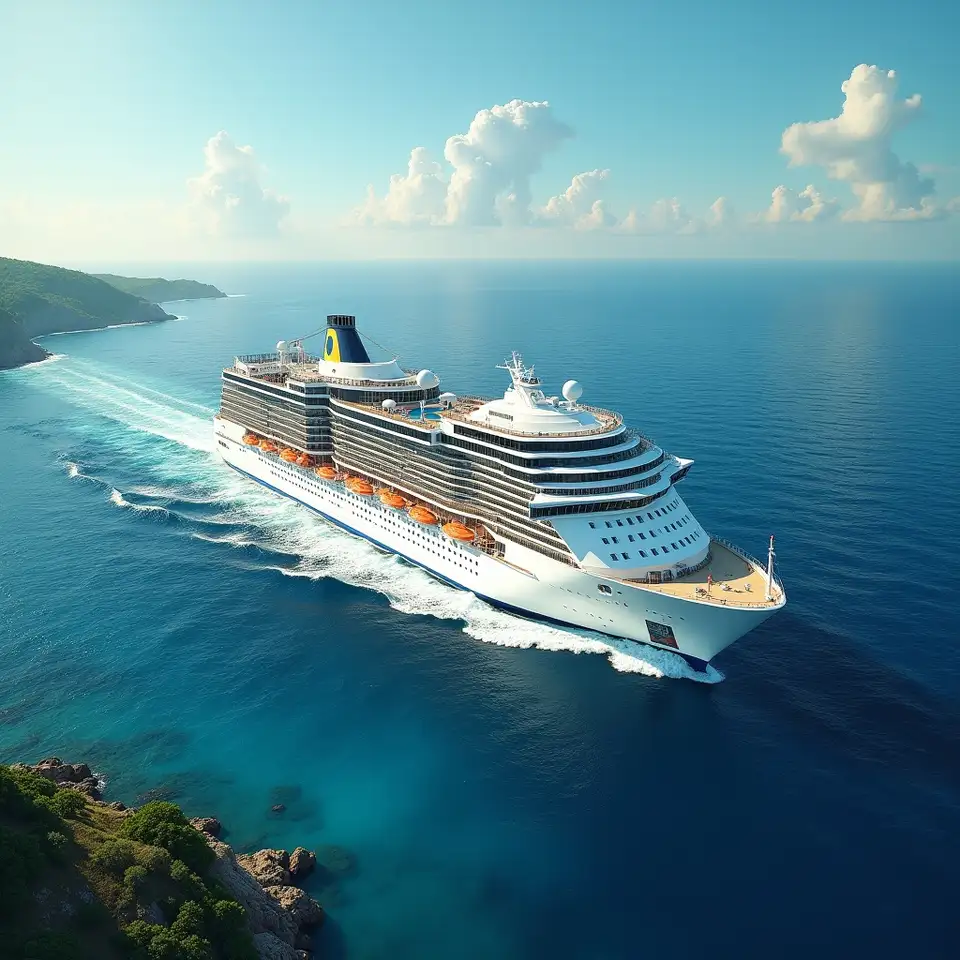
Ocean cruise ships range from intimate vessels carrying a few hundred guests to floating resort cities with thousands of passengers on board. The size of the ship determines not just the scale of onboard amenities, but the type of ports accessible, the embarkation process, and the general atmosphere throughout the voyage. Matching ship size to your comfort preference is a foundational step in ocean cruise planning.

Seasonal Considerations
Ocean cruising is heavily influenced by seasonal weather patterns, and the best time to visit a particular region can shift the entire character of an itinerary. Mediterranean cruises peak in summer when port towns are busiest; Caribbean sailings are most popular in the Northern Hemisphere winter when the region avoids hurricane season. Aligning your travel window with the right regional season significantly improves the experience on the ground.
Fare Inclusions
Ocean cruise fares typically cover accommodation, standard dining, and access to most onboard facilities, but the boundaries of what is included vary considerably between cruise lines. Gratuities, premium beverages, specialty dining, and shore excursions are commonly excluded from the base fare, and their combined cost can be substantial over a longer sailing. Reviewing what is and is not covered before committing to a booking is essential for accurate budgeting.