
luxury cruise suite balcony with ocean view at sunset

Luxury at Sea

When the standard of the experience on board matters as much as the destinations on the itinerary, the choice of cruise line and ship class deserves careful consideration

Luxury cruising is defined less by price point than by the ratio of space to passenger, the quality of service delivered, and the degree to which the onboard experience feels tailored rather than standardised. A true luxury cruise line maintains a staff-to-guest ratio that allows crew members to learn your preferences by the second day and anticipate them by the third. Fares are typically inclusive of gratuities, premium beverages, specialty dining, and in some cases shore excursions — simplifying the budgeting process and removing the transactional undertone that characterises more commercial cruise experiences. We help you assess whether the premium is genuinely justified for your specific itinerary and travel style.

Book Today
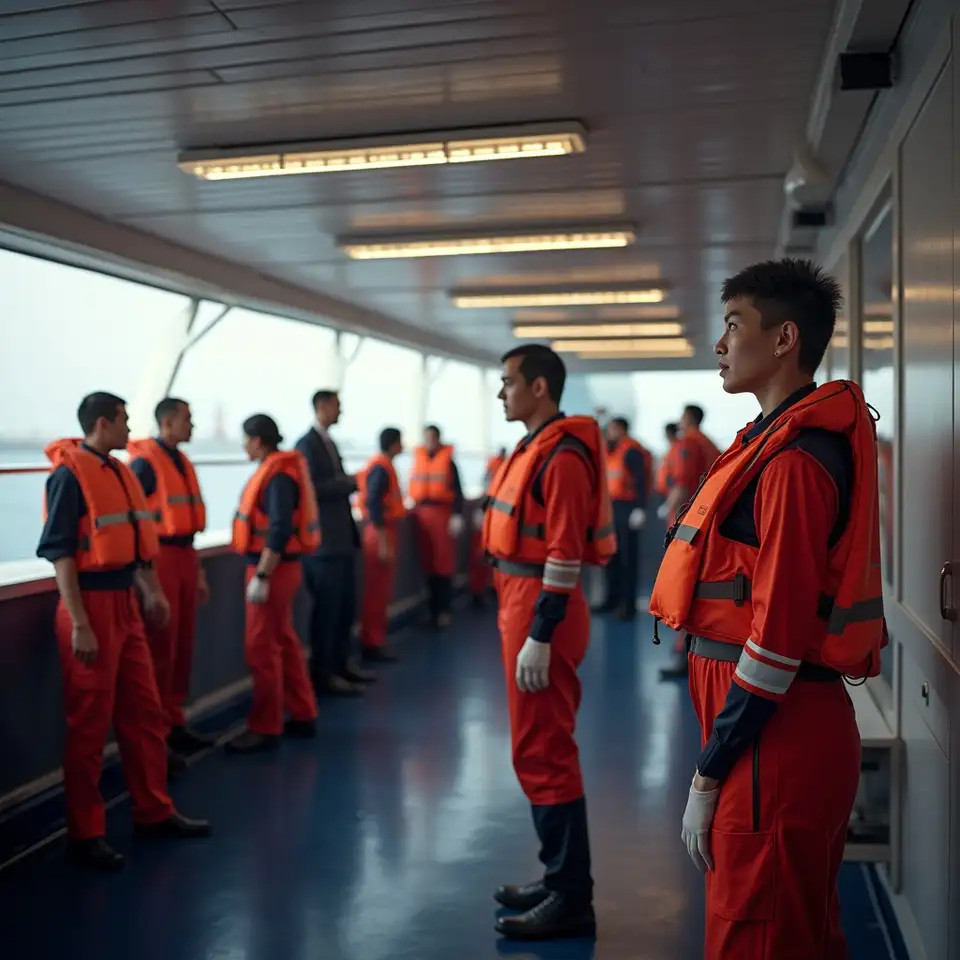
cruise passengers attending safety muster drill on ship deck
Cruise Safety

Safety at Sea Explained

Modern cruise ships are subject to rigorous international maritime safety standards, and the major operators invest substantially in crew training, emergency equipment, and onboard medical facilities. Understanding what these standards involve — and what they mean for you as a passenger — is a practical part of cruise preparation that is easy to overlook when planning focuses on the more enjoyable aspects of the voyage.
Every passenger on a cruise ship is required to attend a muster drill before the vessel departs, familiarising themselves with their assigned muster station and the emergency procedures relevant to their cabin location. This requirement applies regardless of how many times you have sailed before, and it reflects the genuine importance the maritime industry places on passenger preparedness in the unlikely event of an emergency.

Cruise Preparation

Pre-Cruise Health

Consulting your physician before a cruise voyage is a practical step that is easy to overlook in the excitement of planning. Existing medical conditions, prescription medication supplies sufficient for the full voyage duration, motion sickness management, and any vaccinations relevant to your ports of call are all topics worth addressing with a qualified healthcare professional before departure. Cruise ship medical facilities are designed for acute care rather than ongoing treatment, and arriving on board in good health with all necessary medications is the most reliable foundation for a comfortable voyage. Please consult your physician before travelling if you have any pre-existing health conditions.

Travel Insurance

Standard travel insurance policies are frequently not designed with cruise-specific scenarios in mind. Medical evacuation from a ship at sea, missed port coverage, itinerary change compensation, and the implications of a delayed embarkation are all scenarios that a cruise-specific policy addresses more comprehensively than a general travel policy. Reviewing your existing coverage against these scenarios before departure — and upgrading where necessary — is a practical step that costs relatively little compared to the financial exposure it addresses if something goes wrong during the voyage.


organised cruise packing suitcase preparation
cruise travel documents and boarding pass

Pre-Departure Checklist

A cruise departure runs on a tighter schedule than most other forms of travel, and the consequences of arriving at the terminal with incomplete documentation or missing a check-in window are more significant than missing a flight connection. Confirming your cabin number and deck assignment, completing the cruise line's online check-in process before travel day, printing or downloading your boarding pass, and verifying visa requirements for every port of call are all tasks worth completing well in advance rather than in the final hours before embarkation. We provide a practical pre-departure checklist as part of our booking support for all voyages we assist with.

Packing Practically

Cruise packing requires balancing the formality expectations of evening dining with the practical needs of active port days, all within the constraints of cabin storage that is considerably more limited than a typical hotel wardrobe. Reviewing the dress code policy of your specific cruise line before you pack avoids both over-preparation and the mild embarrassment of arriving at the main dining room in attire that does not meet the evening's standard. Comfortable walking shoes suited to uneven port surfaces, a compact day bag for shore excursions, and any medications you require for the voyage duration are the practical priorities that experienced cruisers consistently mention.


cruise loyalty passenger receiving priority welcome from ship crew

Cruise Loyalty Programmes Explained

Most major cruise lines operate loyalty programmes that reward repeat passengers with a range of benefits that accumulate across voyages. Priority embarkation and disembarkation, complimentary laundry services, onboard credit allocations, and access to exclusive events and spaces are among the most commonly offered benefits at higher tier levels. Understanding how these programmes work — and which cruise lines offer the most relevant rewards for your travel frequency and style — is a useful part of the planning conversation for travellers who intend to cruise more than once.
Loyalty programme structures vary considerably between cruise lines, and the benefits available at each tier reflect the operator's broader approach to passenger relationships. Some programmes offer meaningful practical advantages from a relatively early stage; others reserve the most compelling benefits for passengers with an extensive sailing history. For travellers who have already accumulated status with a particular cruise line, reviewing whether that loyalty is worth preserving — or whether a different operator now offers a better fit for your preferences — is a worthwhile conversation to have before your next booking is confirmed.

How Virantolume Approaches Every Cruise Planning Conversation With Malaysian Travellers

A consultation process built on asking the right questions before offering any recommendations

The first thing we do in any cruise planning conversation is listen. Before a cruise line, a ship class, or an itinerary is introduced, we spend time understanding your travel style — how you like to pace a holiday, what you value most in a destination experience, and what has and has not worked on previous trips. This foundation shapes everything that follows, and it is what separates a genuine consultation from a thinly disguised sales interaction.

From that initial understanding, we move through a structured review of the options that actually fit your profile. This involves comparing cruise lines against your stated preferences, reviewing itinerary designs for rhythm and destination quality, assessing fare structures for what they genuinely include, and identifying the practical logistics — documentation, timing, embarkation logistics — that determine whether the experience runs smoothly from start to finish. We stay involved through the booking process to ensure the details are handled correctly.

Initial consultation focused on your travel style before any itinerary is introduced

Cruise line comparison based on your profile rather than promotional incentives

Itinerary review covering route rhythm, port quality, and seasonal conditions

Honest fare breakdown including all commonly excluded costs and add-ons

Documentation review for Malaysian passport holders across all international itineraries

cruise travel advisor in professional consultation with Malaysian client in comfortable office setting

Your Priorities Guide Every Step of Our Consultation Process

Every recommendation follows from what you tell us matters most
cruise passengers at Port Klang Malaysia terminal

Sail From Malaysia

Your next voyage can begin closer to home than you might expect

Malaysian travellers have access to genuine cruise departure options without the need for a long-haul flight to a distant embarkation port. Port Klang, located less than an hour from Kuala Lumpur, handles regular cruise departures to destinations across Southeast Asia, including Langkawi, Phuket, and Singapore. Penang's Swettenham Pier Cruise Terminal offers another regional departure point, with itineraries that extend northward into the Andaman Sea and beyond. For travellers seeking a broader range of itinerary options, Singapore's Marina Bay and Changi cruise terminals are accessible by road or rail and serve as the regional hub for cruise lines operating across Asia-Pacific routes. The short journey from Malaysia to Singapore opens up sailings to Japan, South Korea, Vietnam, and Australia, as well as seasonal repositioning voyages that offer unusual itinerary combinations at fares that reflect the route's transitional nature. Understanding which departure point best suits your itinerary preferences, travel window, and logistical situation is part of the planning conversation we have with every Malaysian traveller. Some itineraries are available from multiple embarkation points with different fare structures and scheduling implications — comparing these options before you commit gives you a more complete picture of what is available and ensures the voyage begins as smoothly as it continues.

Book Today

Cookie Notice

We use cookies to improve your browsing experience and help us understand how visitors engage with our cruise travel content.