Cruise Seasons

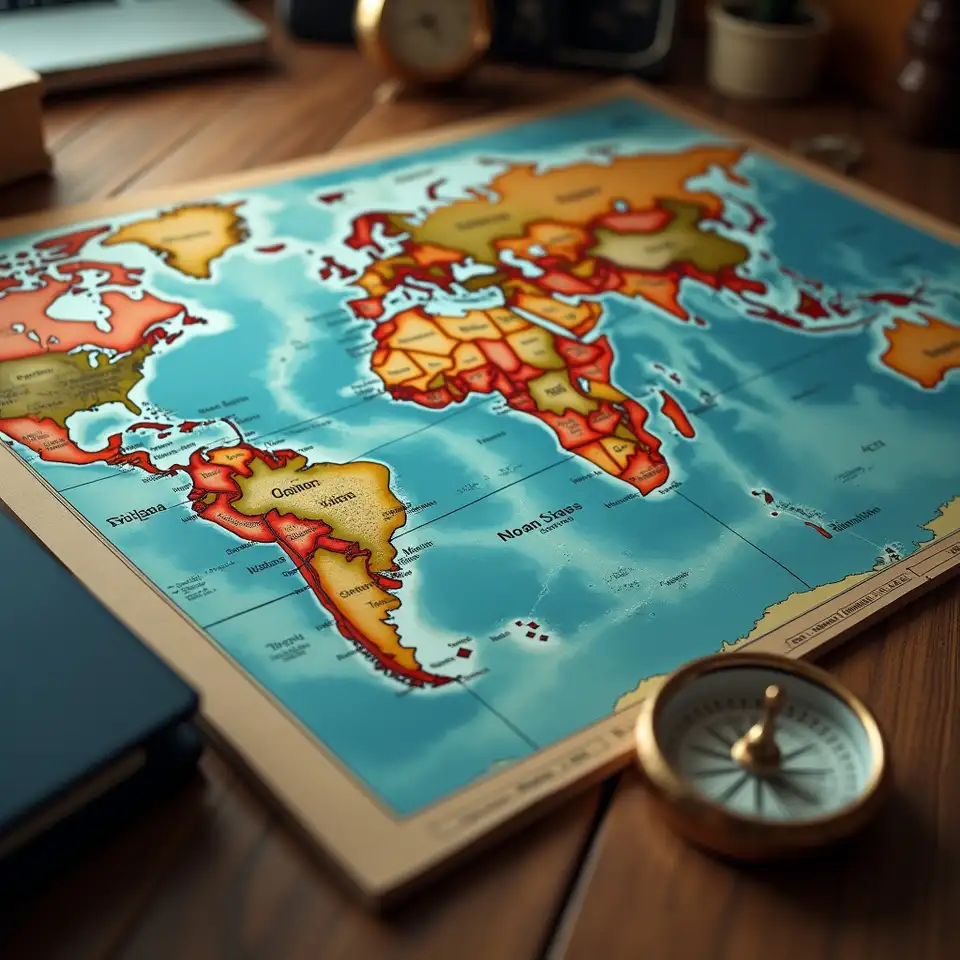
world map showing cruise routes and seasons

Asia-Pacific Season

Southeast Asia and the Asia-Pacific region offer year-round cruise departures, but the quality of the experience varies considerably with the season. The Northeast Monsoon affects conditions in the South China Sea between November and March, while the Southwest Monsoon influences the Indian Ocean side of the region from May to September. Choosing a sailing that aligns with favourable weather patterns for your specific itinerary is a practical consideration worth addressing early in the planning conversation.

Mediterranean Season

Mediterranean cruises operate primarily between April and October, with the peak season running from June through August when temperatures are highest and port towns are at their most vibrant — and most crowded. Shoulder season sailings in April, May, September, and October offer a meaningful trade-off: slightly cooler weather, smaller crowds at popular sites, and fares that frequently reflect the reduced demand without compromising the essential character of the destinations.

River Cruising
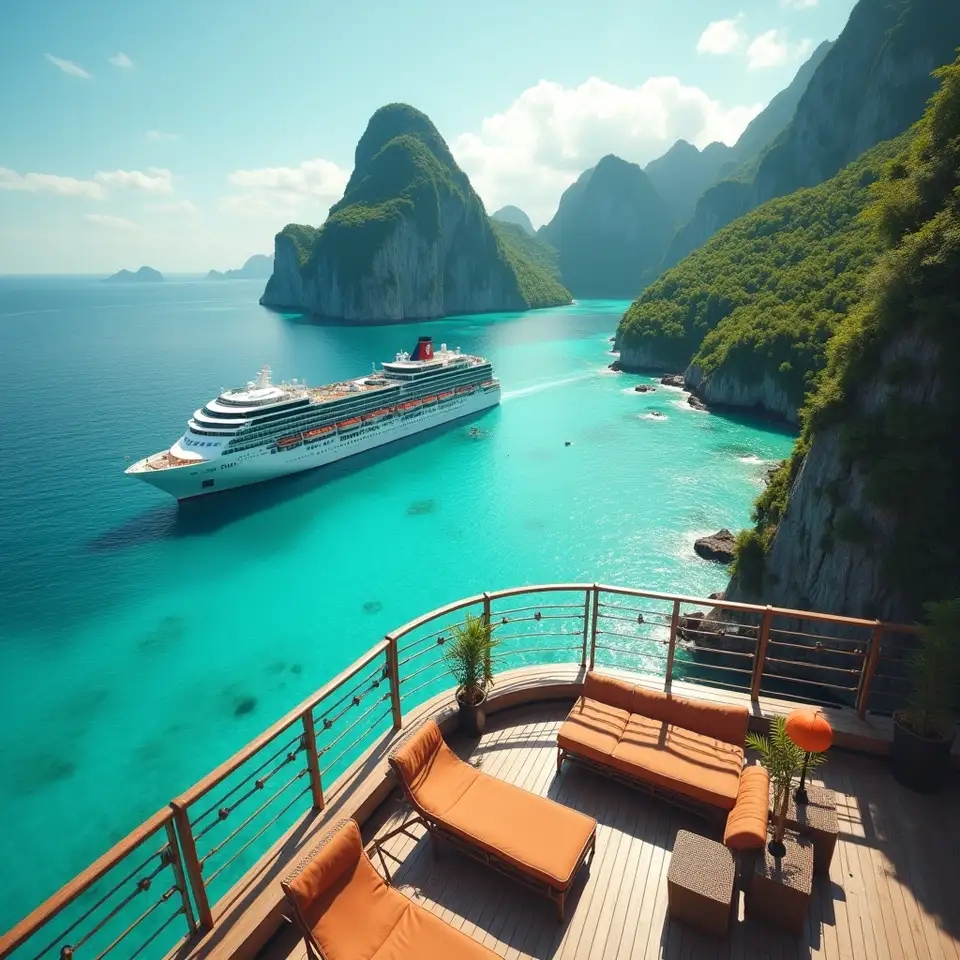
River cruising occupies a distinct and increasingly popular segment of the cruise market, one that rewards travellers who prioritise destination depth over onboard scale. The vessels are smaller — typically carrying between one hundred and two hundred passengers — which means more intimate dining, a higher staff-to-guest ratio, and the ability to dock directly in the historic centres of the cities and towns on the itinerary. You step off the gangway and find yourself in a medieval square or a working riverside market, rather than a container port several kilometres from anything worth seeing. European river cruising is the most established segment, with the Rhine, Danube, Seine, and Douro among the most travelled waterways. Each river has its own character and its own portfolio of destinations, and the itinerary design reflects the pace at which the landscape changes along the route. A Danube sailing from Passau to Budapest moves through a sequence of Central European cities whose history and architecture tell a coherent story across the full length of the voyage. The Mekong River offers a compelling regional alternative for Malaysian travellers, with itineraries that move through Cambodia and Vietnam at a pace that allows genuine engagement with the culture and landscape on both banks. These sailings attract a different type of traveller to the mainstream cruise market — one whose primary motivation is understanding a place rather than simply visiting it. Booking a river cruise requires attention to the same practical considerations as an ocean sailing — cabin grade, inclusion structure, seasonal timing, and documentation requirements — but the scale of the decision is more intimate, and the conversations that surround it tend to be more focused on the destinations themselves than on the logistics of the ship.
aerial view of cruise ship near tropical island destination

Explore More

From regional Southeast Asian sailings to long-haul expedition voyages, the right itinerary for you is worth finding properly

There is a significant difference between a cruise that suits you and one that simply exposes you to the concept. The former requires a planning conversation that starts with your preferences and works systematically toward the right match. The latter is what happens when a booking is made on the basis of price alone, without the context that makes the decision genuinely informed. We have built our consultation process around closing that gap — for first-time cruisers who want to begin on solid ground, and for experienced travellers who know enough to ask better questions. If you are ready to plan your next voyage properly, the conversation starts here.

Book Today

Cruise Travel Trends

Cruise travel is evolving in ways that reflect broader shifts in how people think about holidays. Sustainability has become an increasingly active consideration among cruise passengers, and the major operators have responded with investments in liquefied natural gas propulsion, shore power connectivity, and waste management programmes that reduce the environmental footprint of large vessels at sea. For travellers who factor environmental impact into their holiday decisions, understanding where different cruise lines sit on this spectrum is a legitimate part of the planning conversation. Multigenerational travel — cruises that bring together grandparents, parents, and children in a single voyage — has grown steadily in popularity, driven partly by the format's practical advantages for groups with different activity preferences and mobility levels. A cruise ship offers something for every age group within a single environment, eliminating the logistical challenge of finding accommodation and activities that simultaneously satisfy a twelve-year-old and a seventy-five-year-old. This flexibility is one of the cruise format's genuine structural advantages over most alternatives. The demand for smaller, more intimate ship experiences has also grown among experienced cruisers who have outgrown the resort-ship model. Boutique and expedition operators have responded with new vessels and expanded itineraries that take passengers to destinations the large ships cannot access. This segment of the market is growing from a smaller base, but the quality of what it offers has improved considerably in recent years and now represents a compelling alternative for travellers who know what they are looking for. Wellness cruising is another emerging trend, with some operators dedicating significant onboard space and programming to fitness, nutrition, mindfulness, and spa experiences. These sailings attract travellers for whom the health dimension of the voyage is as important as the destinations, and they tend to attract a different demographic profile to the mainstream market. Finally, the fly-cruise format continues to grow among Malaysian travellers seeking European, Caribbean, or South American itineraries. Combining a long-haul flight with a cruise embarkation requires careful coordination, but it opens up a far wider range of itinerary options than are accessible by direct departure from regional ports. We include flight and pre-cruise logistics as part of our planning conversation for any itinerary that requires international travel to the embarkation point.

What to Expect When You Plan a Cruise Voyage With Virantolume

A structured process that puts your priorities at the centre of every recommendation we make

Planning a cruise through Virantolume begins with a conversation rather than a catalogue. Before any specific itinerary, cruise line, or cabin category is introduced, we spend time understanding how you prefer to travel — your pace, your priorities, and the kind of experience you are hoping to come away with. This is the foundation of what we call our three-step voyage consultation, and it is the part of the process that most directly determines whether the eventual booking is genuinely right for you.

From that initial conversation, we move into a structured comparison of the options that fit your profile. We review cruise lines, ship classes, itinerary designs, and fare structures against your stated preferences rather than against promotional incentives. The result is a shortlist of realistic options with honest context about what each delivers — and what each does not. The final step covers the practical logistics of confirming your booking, reviewing documentation requirements, and ensuring the details are handled correctly before departure.

Three-step voyage consultation tailored to your travel style and priorities

Cruise line comparison based on your profile, not promotional availability

Full fare breakdown including commonly excluded costs and add-ons

Itinerary review covering seasonal timing and port experience quality

Documentation guidance for Malaysian passport holders on all itineraries

professional cruise travel consultant meeting with Malaysian client in office

Consultation-First Approach to Every Booking
Your priorities guide every recommendation we make
couple watching sunset from cruise ship deck

Book With Us

Your next voyage deserves a plan built around how you actually travel, not the most prominently marketed option

The difference between a cruise you remember fondly and one you simply complete often comes down to decisions made weeks or months before departure. Cabin grade, itinerary rhythm, cruise line atmosphere, fare inclusions, and port priorities all shape the experience in ways that are difficult to adjust once you are on board. We work through these decisions with you in a structured, unhurried consultation — one that starts with your preferences and works toward the right voyage, rather than the other way around. If you are considering a cruise and would like to begin that conversation, we are ready when you are.

Book Today

Cookie Notice

We use cookies to improve your browsing experience and help us understand how visitors engage with our cruise travel content.